
Jenn and I have spent countless hours on the beautiful campus of Haywood Community College (HCC) over the years. From capturing family photos and watching our kids head off to proms, to seeing our own children attend classes here, the campus has always been a familiar backdrop in our lives. However, despite our long history with the school, we had never actually hiked the Dahlia Ridge Trail System, specifically the recent additions, until this past week.
We found these trails to be a fantastic addition to the local hiking scene here in Haywood County. What makes the system of trails truly special is that it feels like a deep-woods escape while remaining just minutes away from downtown Waynesville and Clyde.
Whether you are looking for a quick nature break or a rugged wooded loop, these trails offer a surprising variety of terrain right in our backyard.
Keep reading, and we'll share all the details of our recent hike!
What you need to know |
|---|
Location: Haywood Community College is located in Clyde, NC, just minutes from downtown Waynesville, NC. |
Handicap Accessible: While the main campus, Bobcat Trail and the paths surrounding the Mill Pond are paved or flat gravel and mostly accessible, the wooded sections like Copperhead and Kingfisher are natural surface trails and are not wheelchair accessible. |
Dog Friendly: Yes (Must remain on a leash). |
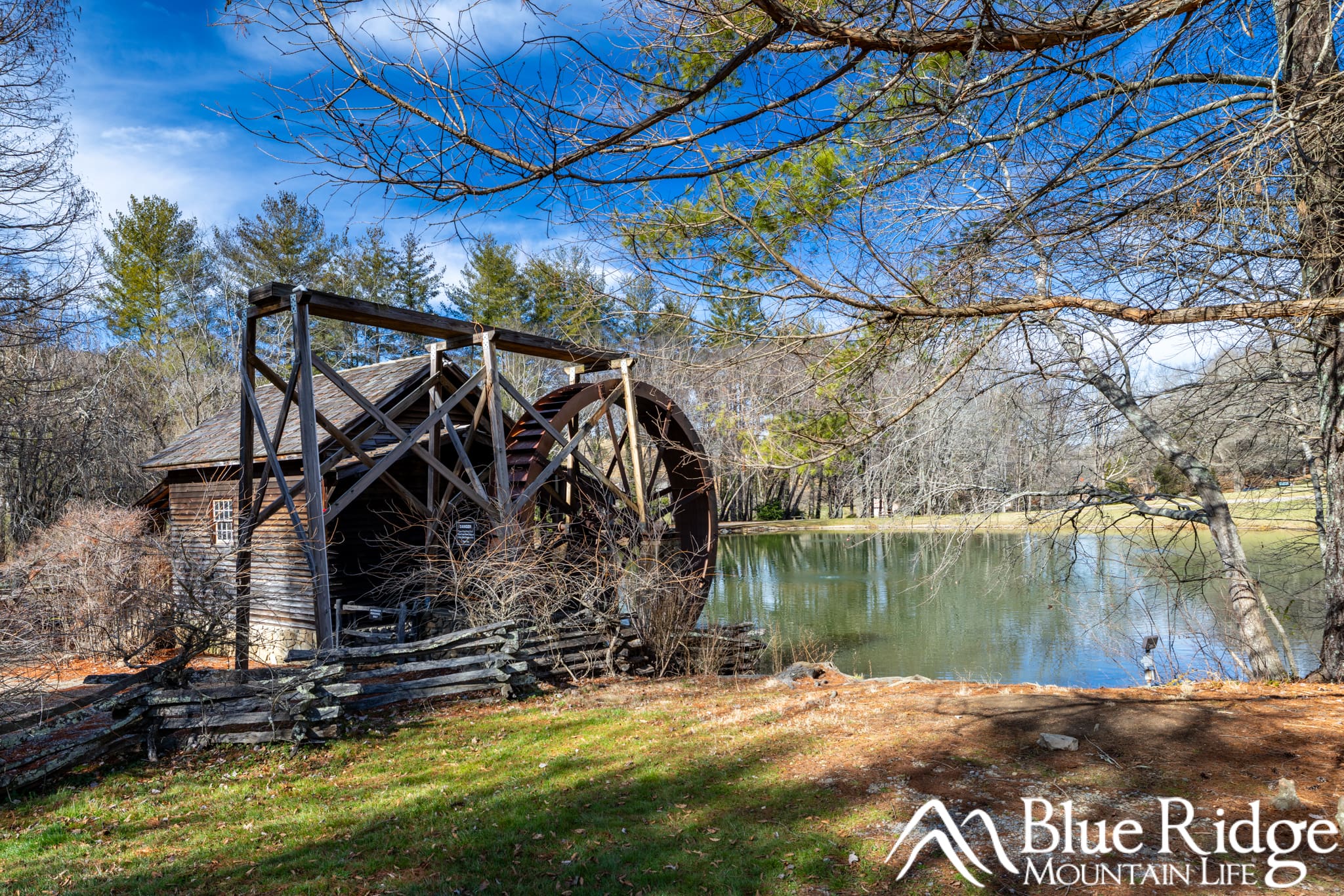
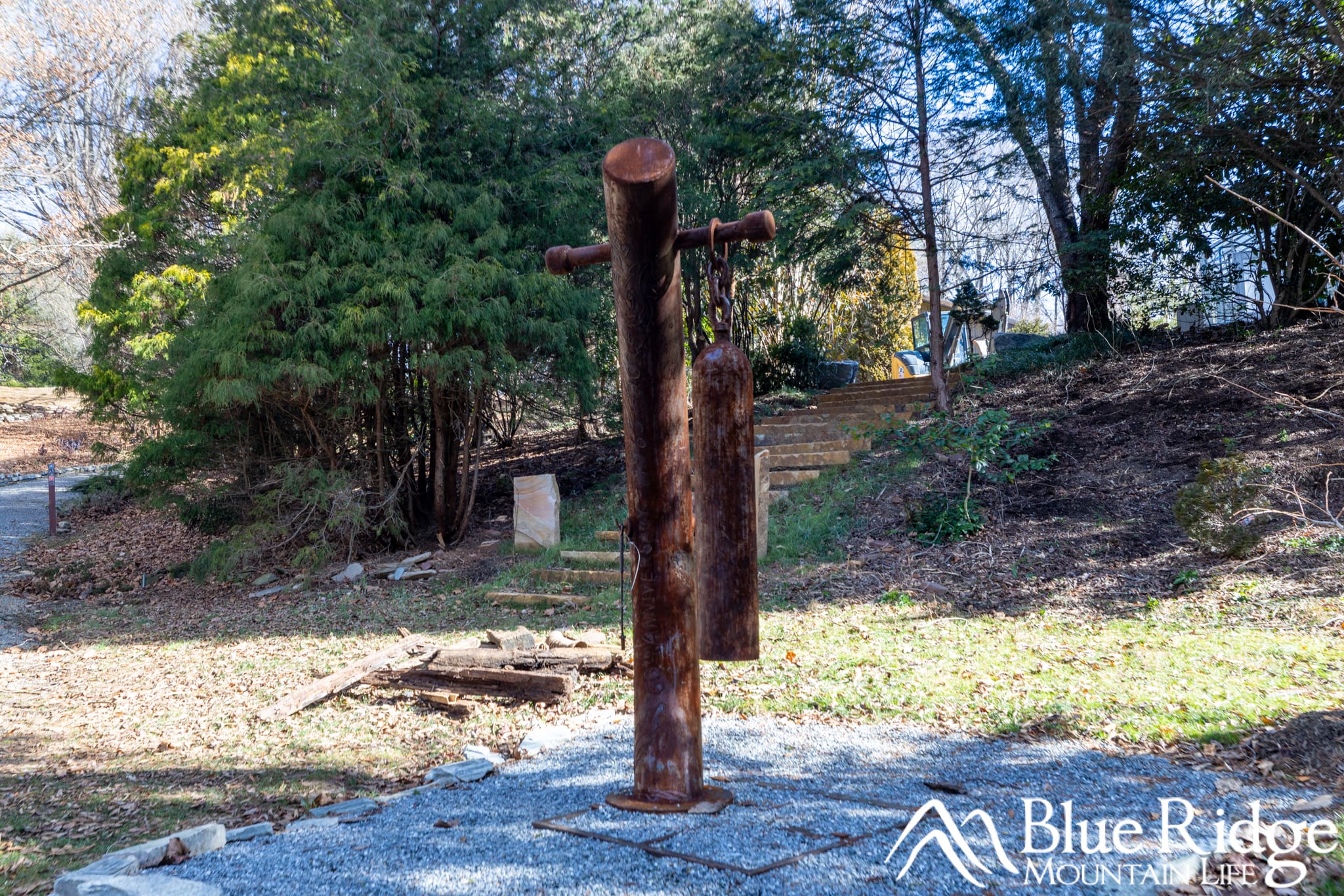
Features: Scenic mill pond, historic "Moon Tree," unique campus art installations (including a wireframe bobcat and resonating bell), and a mix of paved and wooded forest trails. |
Directions: From Waynesville, take Highway 19/23 (Great Smoky Mountains Expressway) East toward Clyde. Take the exit for Jones Cove Road and turn right onto Sawmill Drive to enter the main campus. The first parking lot on the left provides immediate access to the trail kiosks. |
Recommended Gear: Water, a downloaded trail map, and comfortable walking shoes. Hiking boots/shoes are highly recommended if you plan to explore the wooded Copperhead or Kingfisher sections. |
Getting to the Dahlia Ridge Trails
Located in Clyde, NC, the Dahlia Ridge Trail System is incredibly easy to access, but because it is located on an active college campus, knowing exactly where to park is key.
Where to Park:There are two primary ways to access the trail system depending on which section you want to tackle first:
- Primary Parking (Main Entrance): As you enter the main HCC campus on Sawmill Drive, take your very first left into the parking lot. This is a central spot that puts you in close proximity to the main trail kiosks and the campus's famous Mill Pond.
- Secondary Parking: For a slightly different approach, you can continue past Sawmill Drive on Jones Cove Road and turn left onto Armory Drive. There is a smaller parking area on the far side of the Mill Pond that offers a quick connection to the trail network.
Any white-marked parking spot is open to the public. Do not park in yellow, blue, or purple spaces.
Finding the Trailhead: Once you park at the main lot on Sawmill Drive, look for the large wooden trail kiosks near the Hemlock building. These provide a full map of the system. The trails are well-marked with color-coded blazes, but we recommend snapping a photo of the map before you head into the more wooded sections.
Restrooms: Public restrooms are located at the Ironwood facility, near the millpond and smaller parking area. Addtionally, HCC building restrooms are open to the public during school hours. This does not apply to HEC (Haywood Early College).
Know Before You Go
While the Dahlia Ridge Trail System is located on the Haywood Community College campus, the college graciously keeps these trails open to the public. It is a wonderful community resource, but do keep in mind that since it is a school, you'll want to be mindful of students and campus activities.
The trails are also pet-friendly, provided your four-legged hiking partners stay on a leash. It’s a perfect spot for a local dog walk that feels a bit more adventurous than a standard sidewalk stroll.
Hiking the Dahlia Ridge Loop: Our Experience
While you can jump on the trail system from several points on campus, Jenn and I started at the official starting point near the Hemlock Building and the Mill Pond. We began by walking around the Mill Pond—which is easily the highlight and most scenic attraction of the entire system—before catching the Mill Pond Connector. You’ll find this near the small parking area by the Ironwood facility.
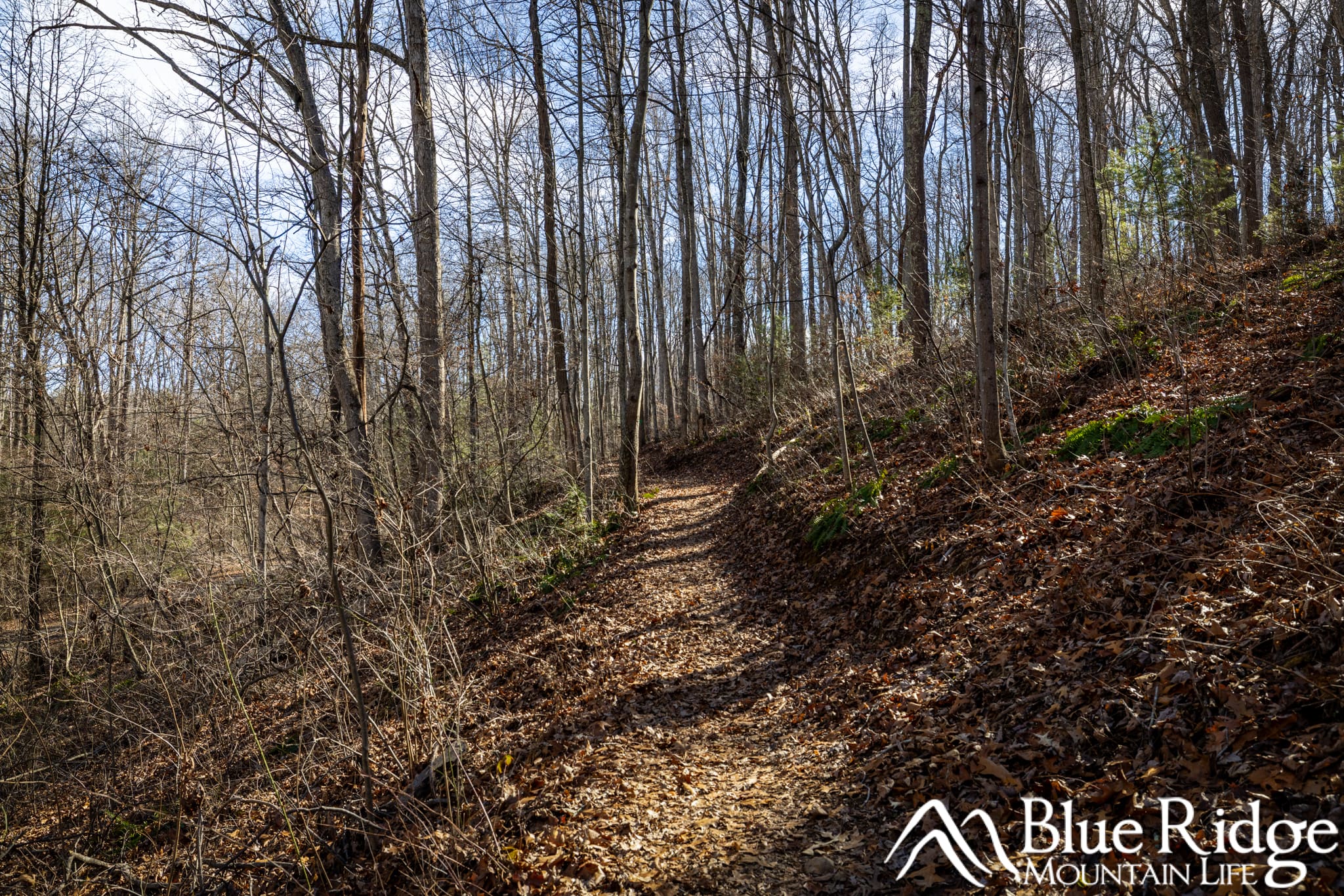
From there, the trail transitions from a casual stroll to a true hike. You’ll cross the road and a small bridge, heading straight into the woods. We followed the winding Copperhead Trail, which features a series of switchbacks. This was the only section where we experienced a real workout with some elevation gain, though we would still categorize the overall hike as easy to moderate.
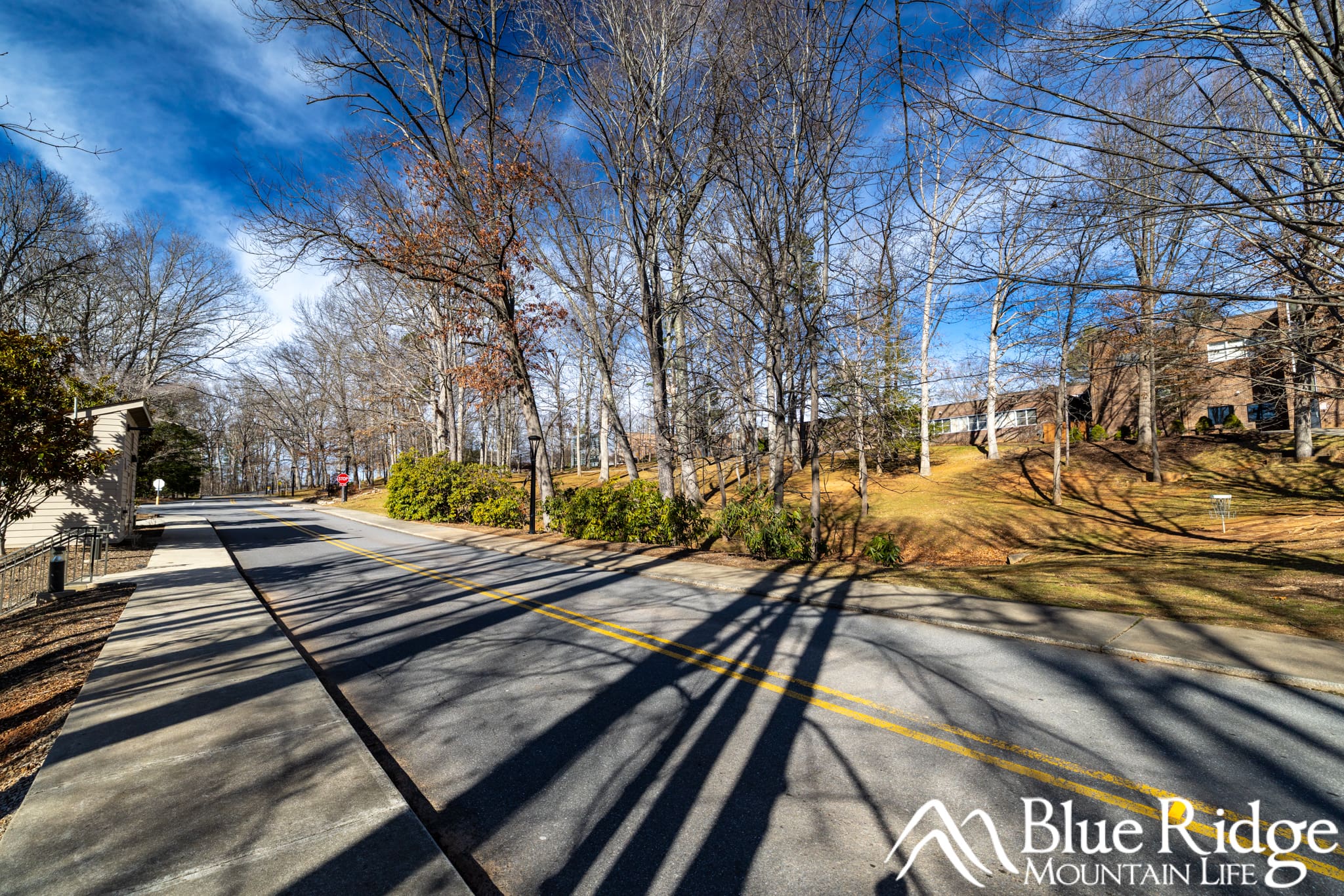
The Copperhead Trail eventually feeds into the Kingfisher Trail. This section feels like a deep-woods escape, with natural paths that can be a bit muddy after a rain. Finally, we connected to the Bobcat Trail, the main campus loop, which transitioned back into paved sidewalks and flat gravel as we headed back toward the parking area. Our total loop was about 1.5 miles.
The variety of the terrain is what makes this loop so engaging. In one afternoon, we experienced:
- The Scenery: The Mill Pond is incredibly peaceful and a must-see for photographers.
- The Art: As you loop through the main campus, keep your eyes peeled for the unique art installations. We especially enjoyed the wireframe bobcat and the resonating bell.
- The Terrain: It’s rare to find a trail that seamlessly blends flat gravel, rugged forest floor, and paved campus walkways.
Tips for a Great Hike
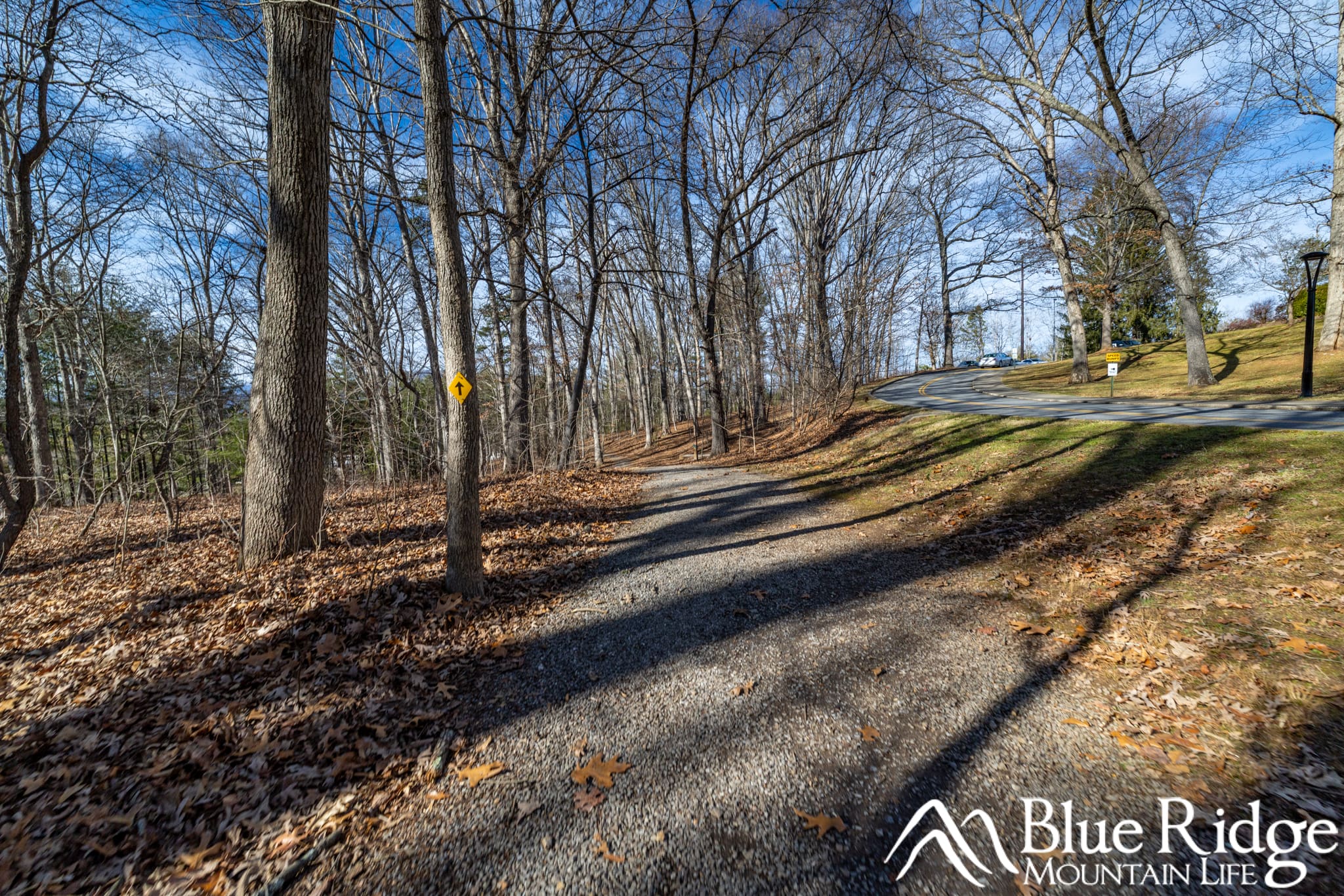
Here are a few tips we learned during our visit and hike that will help make your visit more enjoyable:
- Footwear: Special hiking gear isn't strictly needed for the campus sections, but if you're planning on hiking the more remote areas like Copperhead or Kingfisher, good hiking shoes or boots are highly recommended as these natural trails can be muddy.
- Water: We recommend bringing some water along, especially for the wooded switchback sections.
- Navigation: The trails are well-marked, but we still recommend downloading the hiking trails map to your phone for easy reference.
- Safety: For safety, there are emergency response markers all through the trail with unique codes. In the event of an emergency, these allow first responders to accurately locate you in the woods.
- Leave No Trace: The trails are open to the public, so please always practice the principles of Leave No Trace, so locals and visitors can continue to enjoy these fantastic trails.
Our Take
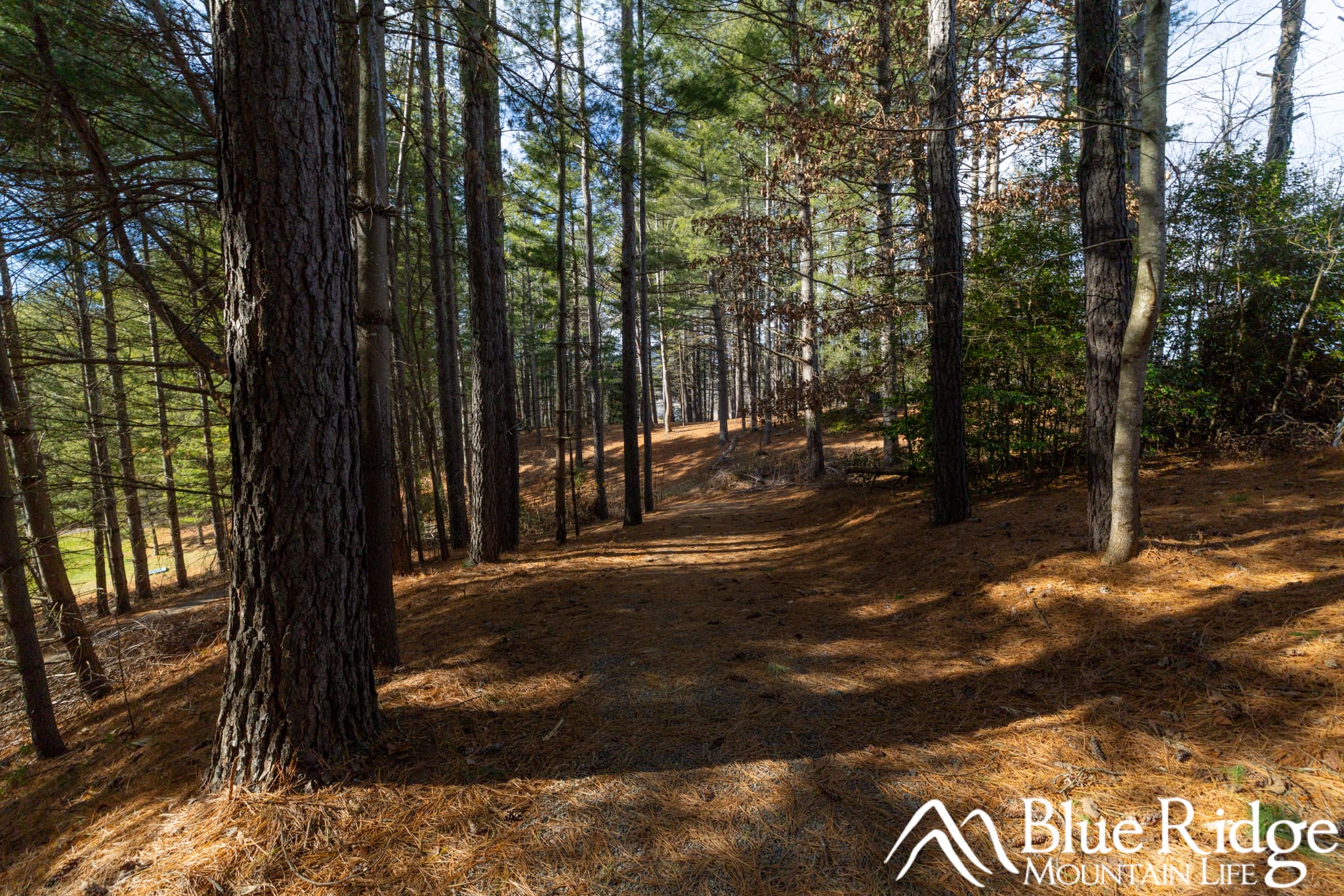
Jenn and I really enjoyed our time on the Dahlia Ridge trails. To be fair, these trails aren't as remote or rugged as some mountain hikes, like you would find in the Great Smoky Mountains National Park.
You also won't find a significant point of interest like a breathtaking waterfall. BUT, they are a great option for local hiking, walking and running. Much like the popular trails at Lake Junaluska.
It is definitely worth the short drive from Waynesville. It is a great way to get outdoors, enjoy some local art, and get some exercise in a beautiful, quiet setting.
